
Welcome to the
Friedlander Chiari Center
The Chiari Center, directed by Robert M. Friedlander, MD, MA, provides highly specialized evaluation and treatment for adults with Chiari malformation. The Center serves as a national referral destination for patients seeking experienced, evidence-based care for complex, atypical, or previously treated cases.

A National Leader in Adult Chiari Malformation
Dr. Friedlander has evaluated several thousand adult patients with Chiari malformation and has performed approximately 700 surgical procedures in adults with this condition. His experience spans the full spectrum of Chiari pathology, including:
- Chiari I malformation
- Chiari with syringomyelia
- Recurrent symptomatic or failed decompression
- Chiari associated with connective tissue disorders
He has particular expertise in revision Chiari surgery, including the management of persistent or recurrent symptoms following prior decompression. These cases often require careful reassessment of the diagnosis, CSF flow dynamics, dural reconstruction, and structural stability. Many patients referred to Dr. Friedlander have undergone prolonged evaluations, received conflicting recommendations, or experienced persistent symptoms after previous surgery.
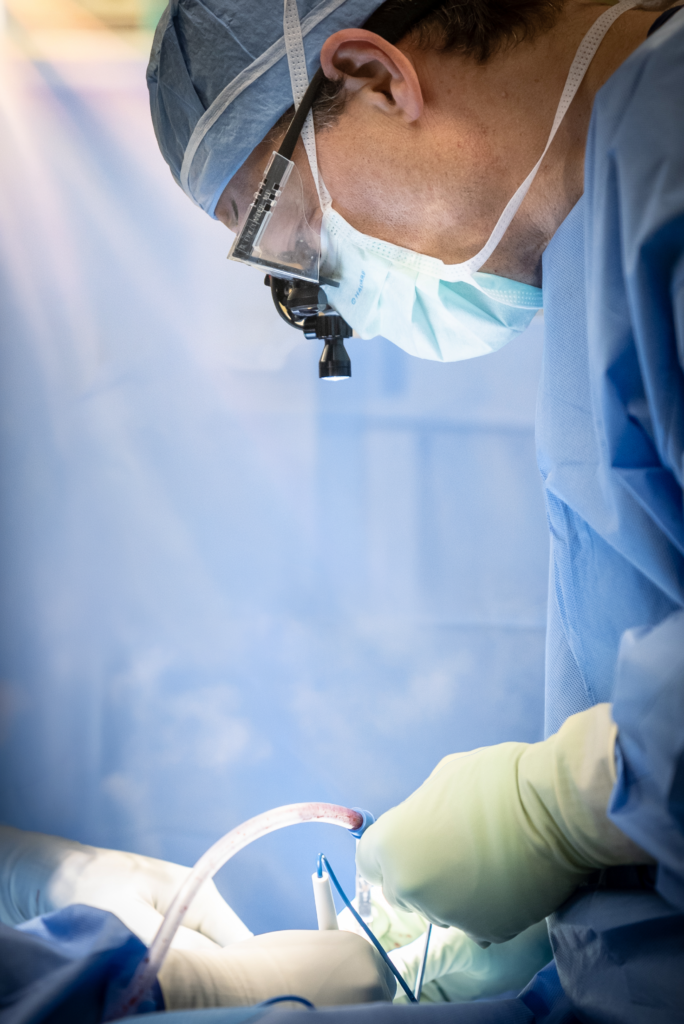
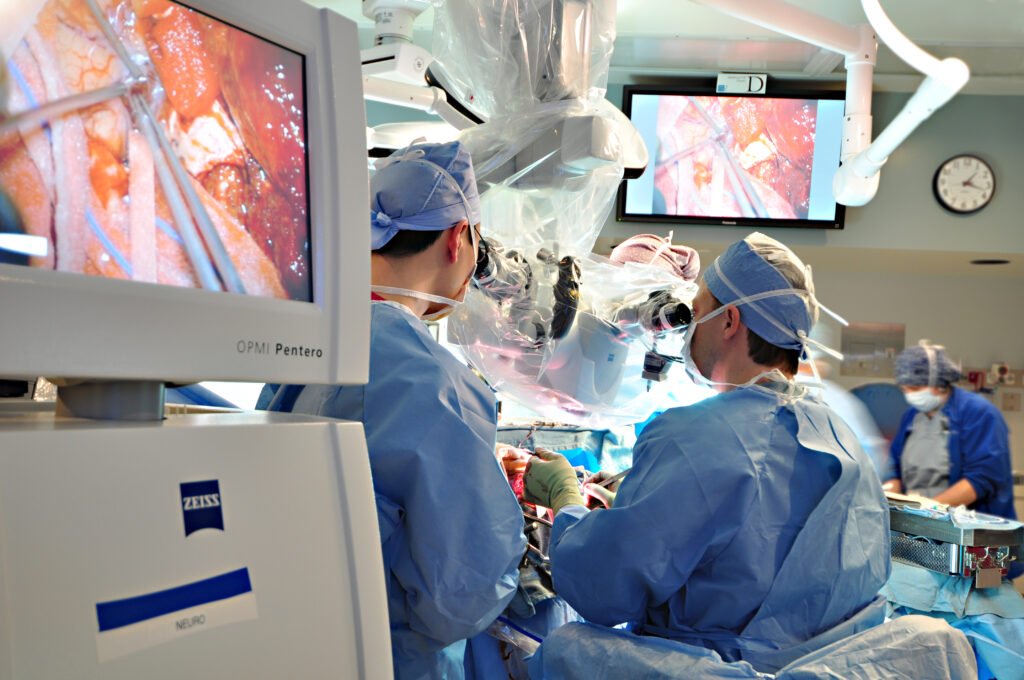
Surgical images are shown below for educational purposes.
A Rigorous Diagnostic Framework
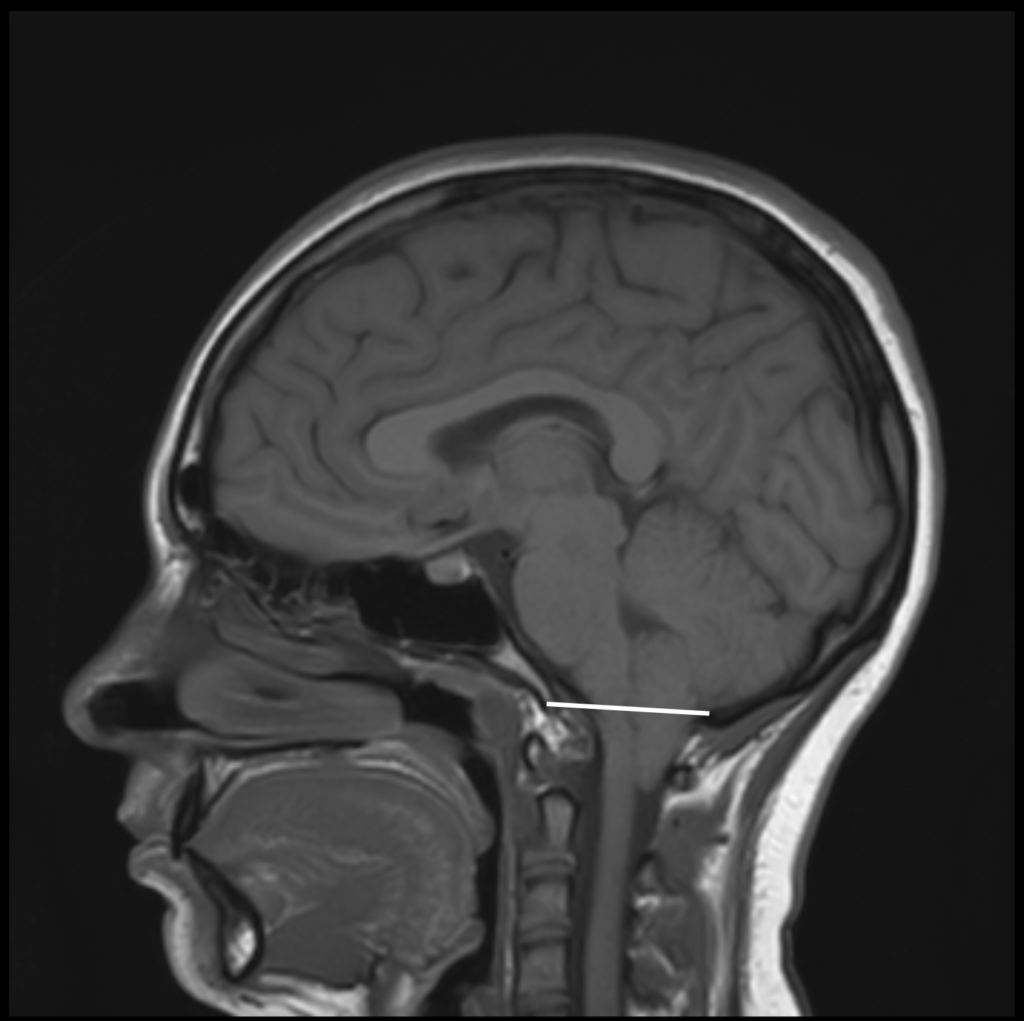
The Center emphasizes precise diagnosis. Not all radiographic tonsillar descent represents symptomatic Chiari malformation, and not all symptoms attributed to Chiari originate from it.
Each evaluation includes:
- Comprehensive neurological assessment
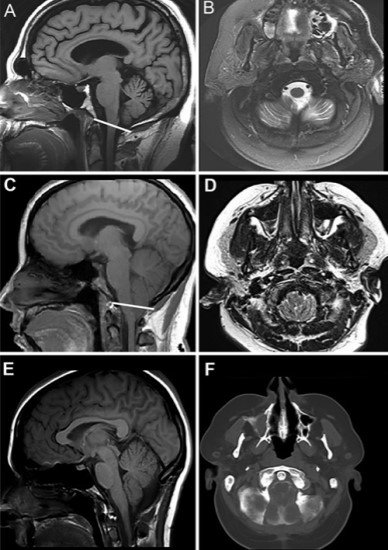
- Detailed imaging review, including CSF flow analysis when indicated
- Assessment for craniocervical instability
- Consideration of alternative or coexisting diagnoses
- Individualized determination of surgical candidacy
Careful differentiation between incidental findings and clinically significant pathology is central to treatment planning, particularly for patients being considered for revision surgery.
Surgical Approach
When surgery is indicated, the goal is to correct the physiological problem while disturbing as little normal anatomy as possible.
Dr. Friedlander performs both primary and revision Chiari operations. The specific operation is tailored to the patient’s anatomy, CSF flow, symptoms, prior surgery, and associated findings. Particular attention is paid to restoring CSF flow while preserving muscle, ligament, and bone whenever possible.
His operative approach is measured and stepwise: address the most likely source of symptoms while performing only the surgery necessary to achieve meaningful improvement. For the vast majority of patients, the initial operation is sufficient, and additional procedures are not required. When further intervention is considered, it is undertaken thoughtfully and only when clearly indicated.
This philosophy is especially important in patients with overlapping conditions, including Ehlers-Danlos syndrome, a retroflexed odontoid, or tethered cord. In these settings, preserving normal structures is essential. Surgical strategy is designed to minimize disruption of muscle, ligament, and bone, reducing the risk of postoperative craniocervical instability and other long-term complications.
Operative techniques are tailored to the individual patient and may include:
- Posterior fossa decompression
- Tailored partial or complete removal of the C1 arch
- Minimization of muscular dissection
- Dural opening
- Microsurgical release of tonsillar arachnoid bands
- Volumetric reduction of cerebellar tonsils
- Evaluation of the fourth ventricle outlet for membranous obstruction
- Restoration of cerebrospinal fluid (CSF) flow dynamics
- Expansile watertight duraplasty
- Targeted correction of structural or scarring-related factors in revision cases
The objective is not simply radiographic decompression, but restoration of normal CSF physiology and durable clinical improvement, with careful attention to both immediate recovery and long-term stability.
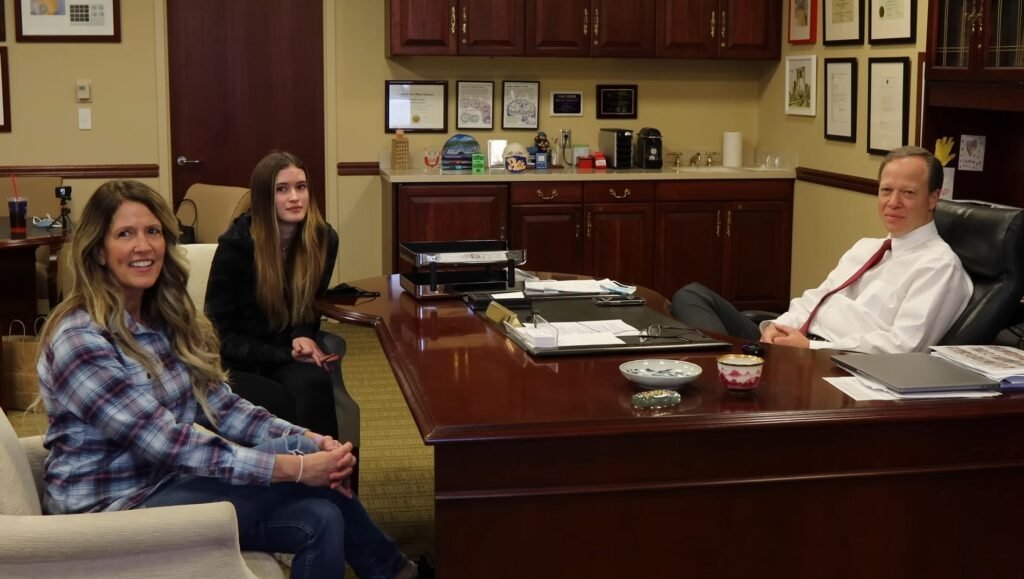
A Patient Story: Eva's Chiari Malformation
For years, Eva lived with daily headaches, constant pressure in the back of her head, and numbness in her hands and feet—symptoms that began to affect every part of her life. After being diagnosed with Chiari malformation, she came to Dr. Robert Friedlander for specialized care.
Following surgery, Eva experienced immediate relief. Her headaches were gone, the pressure had lifted, and she finally felt like herself again. Watch her story to hear about her journey and recovery firsthand.
How Surgery Addresses the Underlying Cause of Symptoms
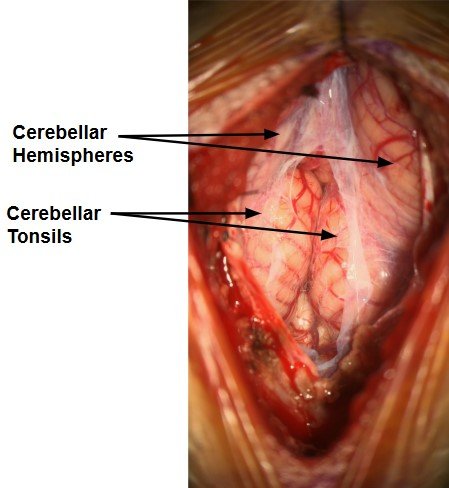
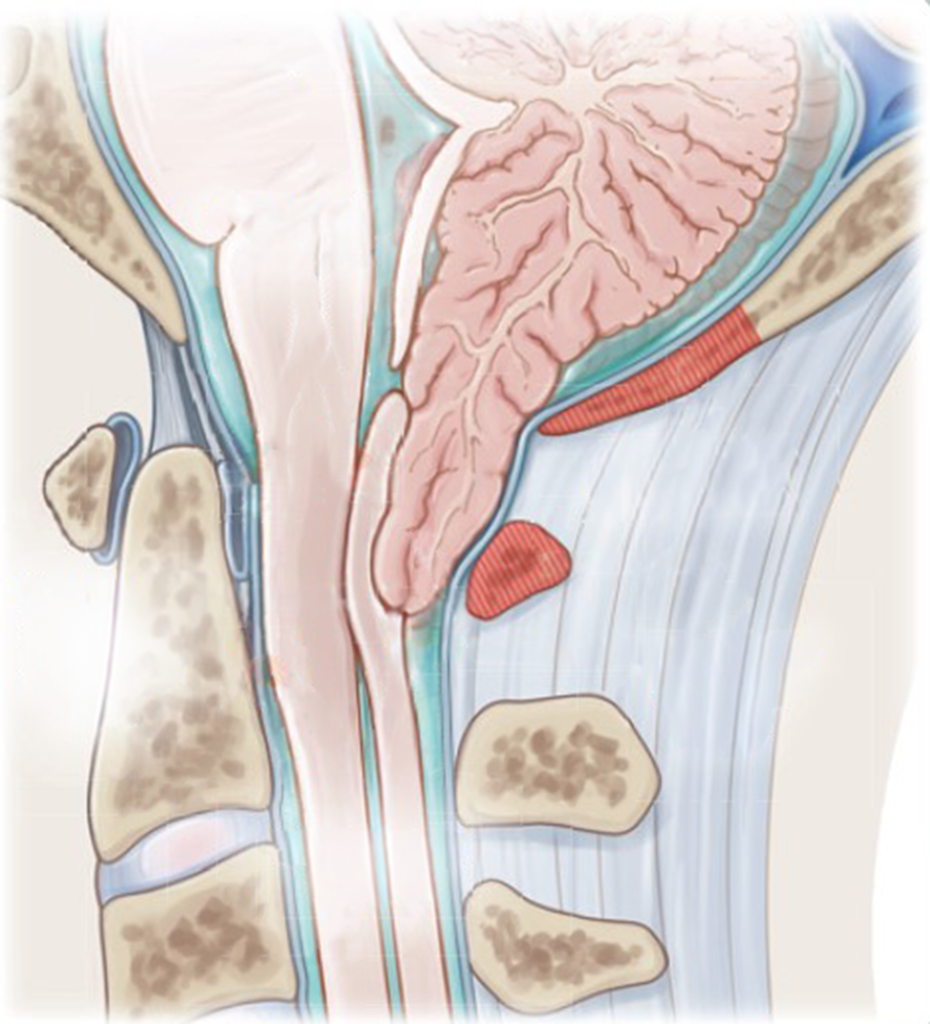
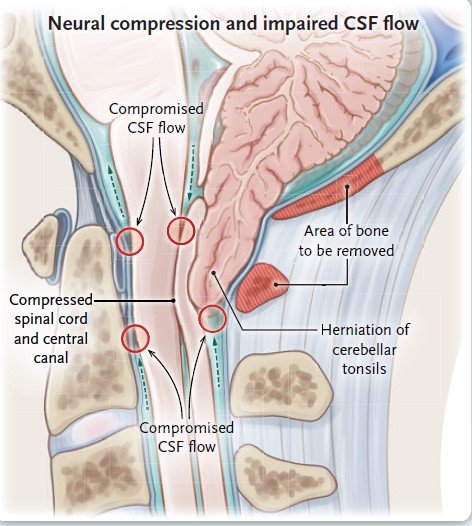
After opening the covering of the brain (the dura), the lower part of the cerebellum (the tonsils) can be seen in a crowded position. This crowding blocks the normal flow of cerebrospinal fluid (CSF), which is a common cause of the characteristic headaches—often worsened by coughing, straining, or other Valsalva maneuvers.
At the same time, the tonsils can place pressure on the upper spinal cord, which may contribute to symptoms such as numbness or tingling in the hands.
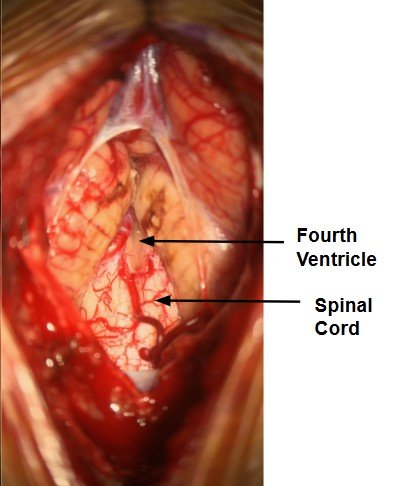
The tonsils are carefully released and reduced in size to relieve both the obstruction to CSF flow and the pressure on the spinal cord. Restoring normal fluid flow from the fourth ventricle and creating space around the spinal cord are key steps aimed at addressing the underlying causes of headaches and hand numbness.
A patch (dural graft) is then placed to create additional space for fluid circulation and to support a watertight closure.
National Referral Practice
Patients travel from around the nation for evaluation by Dr. Friedlander. Referrals are accepted from neurologists, neurosurgeons, primary care physicians, and directly from patients.
Each case is reviewed with intellectual rigor, surgical experience, and a commitment to clarity. The goal is straightforward: accurate diagnosis, thoughtful surgical judgment, and outcomes grounded in experience and evidence. In evaluating often complex presentations in Chiari patients, there is no substitute for broad experience.
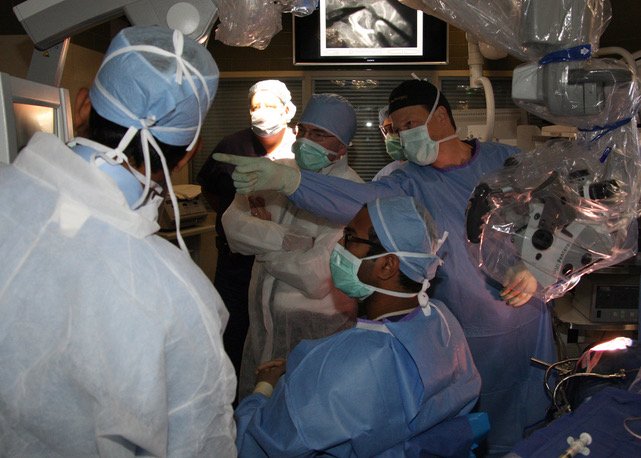
Recent Work
Recent work using formal neuropsychological evaluation has demonstrated that cognitive and affective symptoms—often reported by Chiari patients—can be reversible following expert surgical intervention in appropriately selected individuals. This work has helped reframe the broader neurological impact of Chiari malformation beyond headache and other typical symptoms.

Advancing the Field
Dr. Friedlander authored a single-author review in The New England Journal of Medicine on Chiari malformation and has published research advancing the understanding of both the structural and functional aspects of the disorder.

Request a Consultation with
Dr. Friedlander
dr.rf@iss.org
Phone
845·764·4353
Address