
Cavernous Malformations
Management begins with determining whether intervention is necessary.
Many cavernous malformations can be observed safely, while others require treatment. When surgery is appropriate, it is approached with careful attention to technique and outcome.

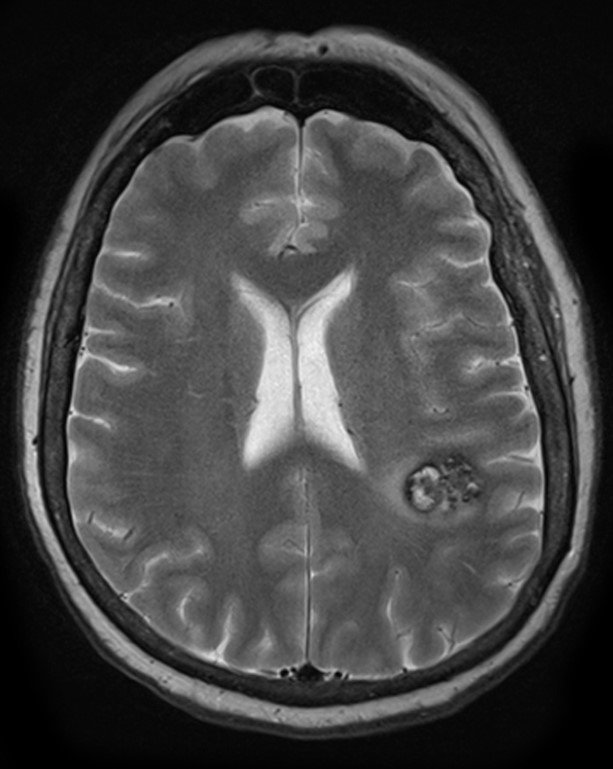
Understanding your diagnosis
A cavernous malformation — sometimes called a cavernoma — is an abnormal cluster of blood vessels in the brain or spinal cord. These vessels are enlarged and fragile, and can occasionally leak small amounts of blood. They are not cancerous, and many people live with them without any symptoms at all.
Cavernous malformations can occur anywhere in the brain, including deep in the brainstem — the region that controls breathing, balance, and many of the body’s most essential functions. Brainstem cavernous malformations require particular care because of their proximity to critical neurological pathways.
Surgical images are shown below for educational purposes.
Symptoms you may be experiencing
Symptoms vary widely depending on where the malformation is located, how large it is, and whether it has bled. Some people have no symptoms at all and discover a cavernous malformation incidentally on an MRI taken for another reason. Others experience a sudden onset of neurological symptoms after a bleed, while some notice a slow, gradual change over weeks or months.
Because cavernous malformations can occur throughout the brain and spinal cord, the symptoms they cause are equally varied. They broadly fall into a few categories:
Motor and sensory changes
Balance and coordination
Vision, speech, and swallowing
Headaches and seizures
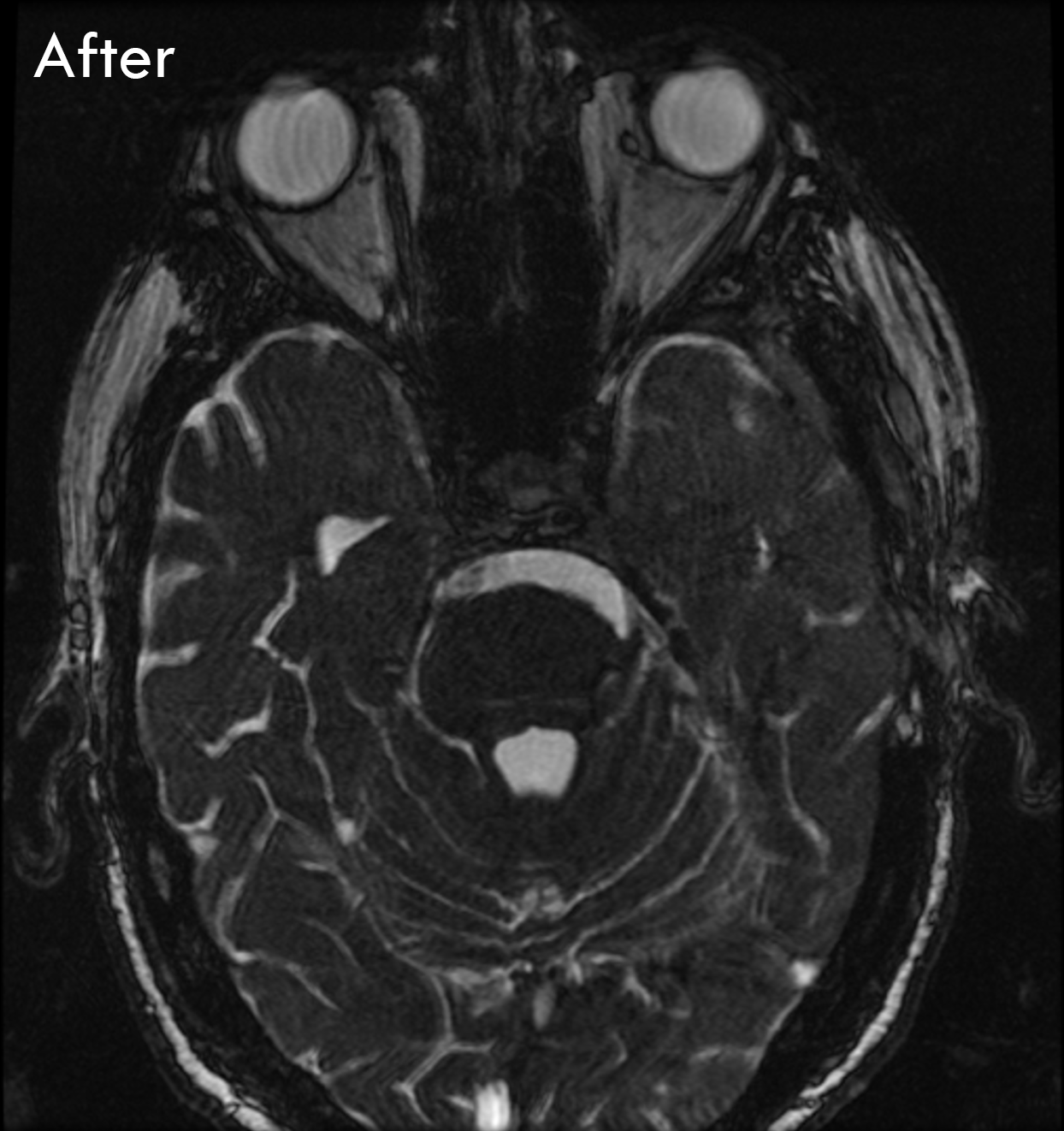
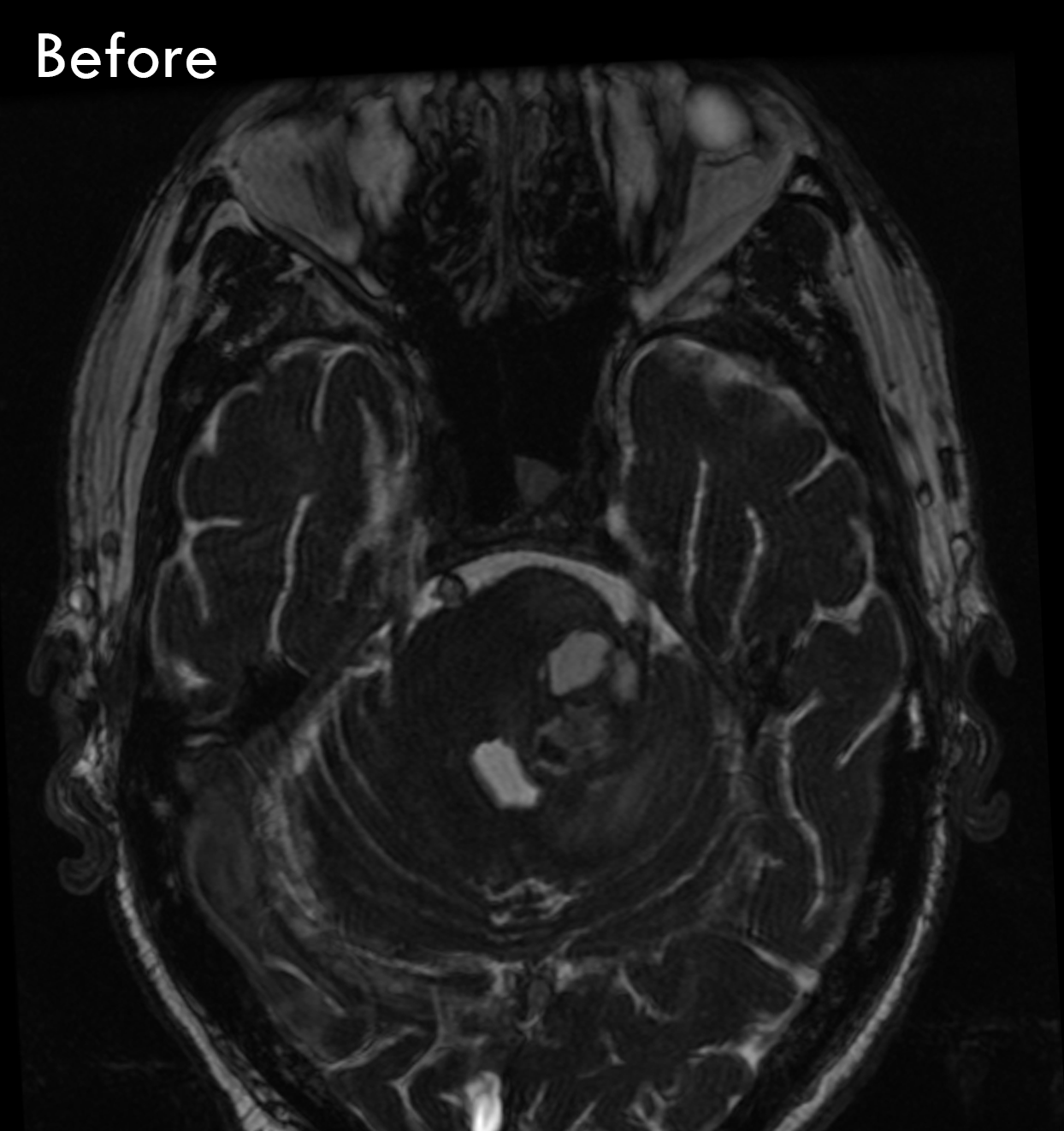

Before and after brainstem cavernous malformation removal
Treatment options
A diagnosis of a cavernous malformation does not automatically mean surgery. Dr. Friedlander takes a personalized approach to every patient, weighing the size and location of the lesion, your symptoms, your history of bleeding, and your overall health.
The goal is always to choose the path that gives you the best possible quality of life — not just in the short term, but for years to come.
Observation
For lesions that have not bled or are causing no symptoms, careful monitoring with regular MRI may be the safest path forward.
Microsurgery
When surgery is recommended, the goal is complete removal of the malformation while preserving surrounding neurological function.
Surgical Planning for Brainstem Cavernous Malformations
Surgery near or within the brainstem demands careful planning and a detailed understanding of its anatomy. Dr. Friedlander has devoted his career to advancing surgical techniques and technologies for the treatment of conditions involving this complex region.
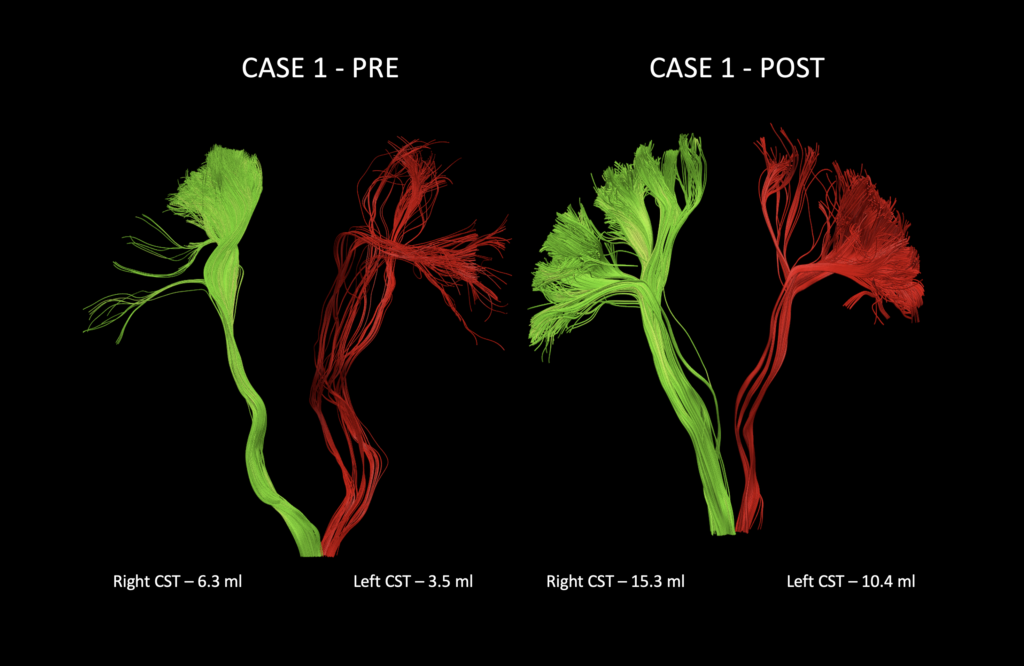
Fiber Tractography
For brainstem cavernous malformations, preoperative fiber tractography can help define the relationship between the lesion and critical neural pathways. This information, together with the lesion’s location, prior hemorrhage, neurological findings, and relationship to the surface of the brainstem, can help determine the safest surgical corridor.
The objective is complete removal when it can be accomplished safely, while minimizing disruption of normal brainstem tissue and preserving neurological function.
Beyond fiber tracking, Dr. Friedlander’s surgical philosophy centers on:
- Working through the brain’s natural pathways rather than cutting through healthy tissue
- Keeping the surgical opening as small as possible
- Using real-time intraoperative imaging to precisely locate and remove the malformation
- Preserving every possible nerve fiber to protect your function and recovery
This careful, anatomy-respecting philosophy means that surgery is not simply about removing a lesion— the goal is to select the safest surgical corridor while preserving neurological function.

Request a Consultation with
Dr. Friedlander
dr.rf@iss.org
Phone
845·764·4353
Address