Contributions to Neurosurgery

Dr. Friedlander’s has made important contributions to neurosurgery through technical innovation, outcome-focused clinical investigation, and the refinement of surgical strategies that improve safety while preserving neurological function. As he enters private practice, he brings to patients the depth of expertise and judgment cultivated over decades at the highest levels of academic neurosurgery, including Harvard and the University of Pittsburgh. His practice is designed for discerning patients who seek highly specialized, individualized care, whether they come from nearby communities or travel from greater distances in search of exceptional neurosurgical treatment.

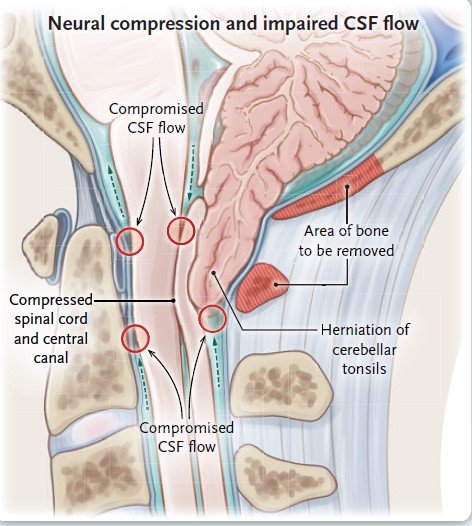
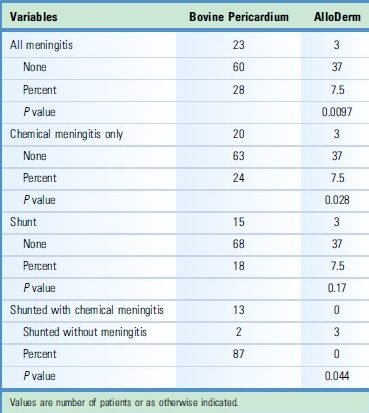
In Chiari malformation, Dr. Friedlander has helped refine operative techniques that optimize decompression and cerebrospinal fluid flow while minimizing tissue disruption. His work has also addressed the role of graft selection in duraplasty and has contributed to demonstrating that cognitive and affective deficits associated with Chiari malformation may, in selected patients, be reversible with appropriate surgical treatment. These refinements in technique have translated into tangible recovery benefits, with many patients well enough to leave the hospital within one to two days after surgery. This reflects a deliberate and highly developed surgical approach aimed at minimizing tissue manipulation while still achieving a thorough and effective decompression. His work has helped expand the understanding of Chiari beyond pain and structural compression alone and underscores his commitment to meaningful functional improvement.

Videos depicting tractography scan, used for tractography-based planning.

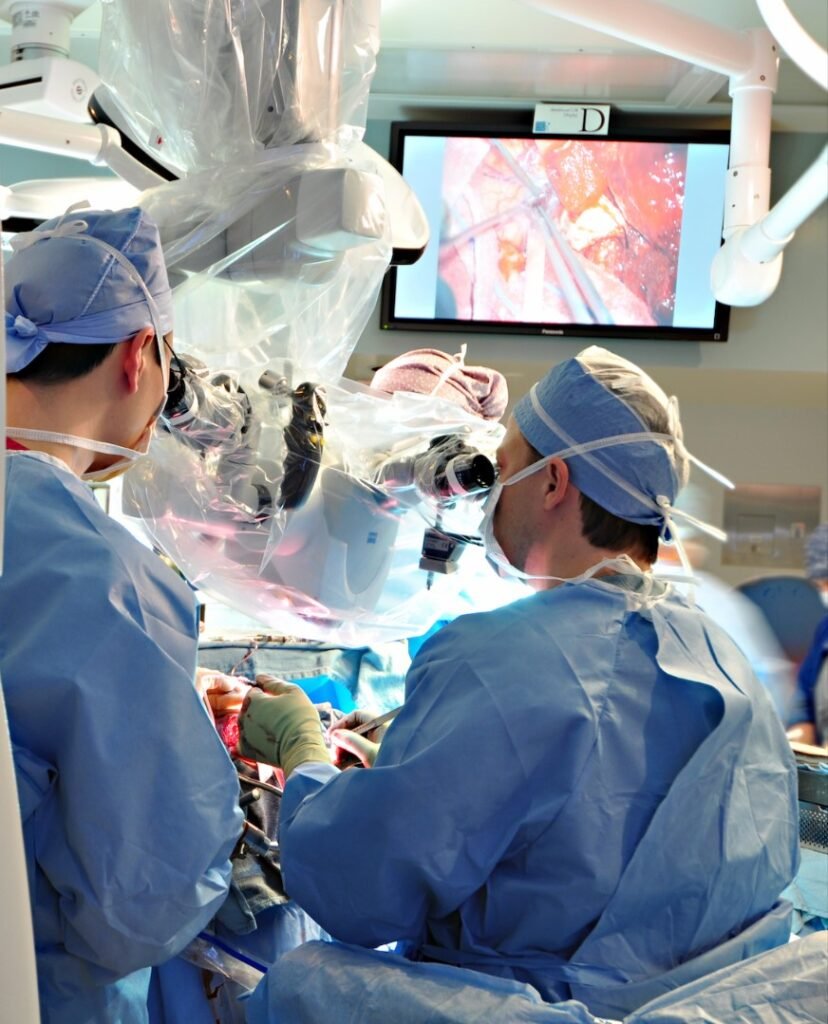
In the treatment of brain tumors and cavernous malformations, Dr. Friedlander has advanced the use of tractography-based planning and resection strategies to enable safer, more precise operations in highly eloquent and anatomically demanding regions of the brain and brainstem. These efforts reflect a broader commitment to developing surgical approaches that optimize neurological outcomes while mitigating risk, informed not only by scientific rigor but also by extensive operative experience. Patients and referring physicians often seek his opinion in especially complex situations, including when a second, third, or more decisive opinion is needed.

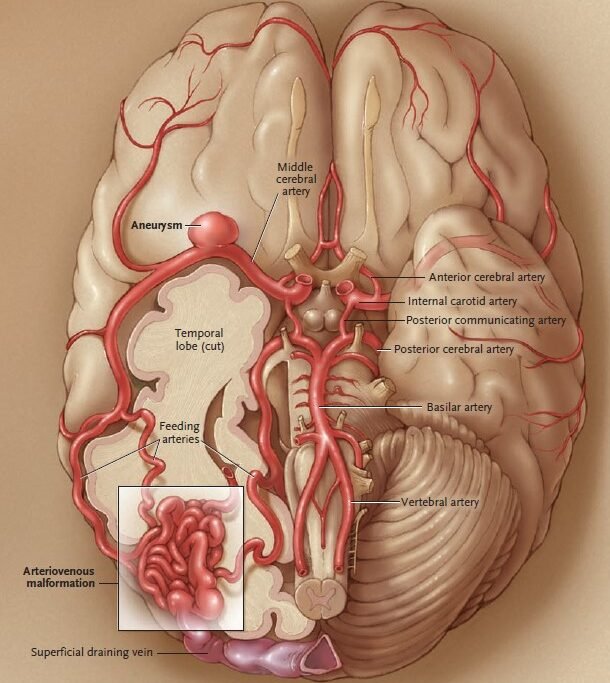
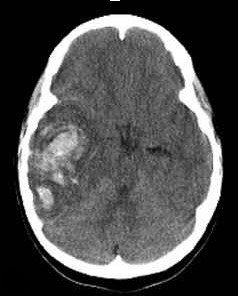
Dr. Friedlander also brings many years of experience helping patients navigate some of the most difficult decisions in cerebrovascular care, including aneurysms and arteriovenous malformations. A central part of that work has been guiding patients through the complex question of whether conservative management or intervention is the better course, and, when treatment is appropriate, helping determine the most suitable strategy. This judgment is especially important in vascular lesions, where the best decision is often not simply whether something can be treated, but whether it should be treated, when it should be treated, and by what approach.

His contributions also extend to improving neurosurgical care at the systems level. Dr. Friedlander has emphasized the importance of physician awareness, perioperative decision-making, and evidence-based prophylactic antibiotic strategies in reducing postoperative infections, limiting complications, and lowering the cost of care. These contributions reflect a sustained commitment to quality, safety, and value in neurosurgical practice.

At this stage of his career, Dr. Friedlander offers something uncommon: the level of expertise, precision, and judgment expected at a major academic center, delivered in a model of care that is more personal, focused, and direct. He is personally involved in every stage of care, from evaluation through surgical treatment and follow-up, providing patients with direct access to an experienced, internationally recognized neurosurgeon whose judgment is often sought when the decisions are most complex and the stakes are highest


Explore Dr. Robert Friedlander's Contributions to Neuroscience